
This guide explores sildenafil uses, how it works, what to expect from treatment, and important safety considerations to help you make informed decisions about your sexual health.
What is Sildenafil and How Does It Work?
Sildenafil Citrate is one of the most widely prescribed treatments for erectile dysfunction. It belongs to a class of drugs called phosphodiesterase type 5 (PDE5) inhibitors. Understanding sildenafil uses begins with knowing how the medication works inside the body. It belongs to a class of drugs called phosphodiesterase type 5 (PDE5) inhibitors.
The process begins with sexual stimulation. This stimulation triggers the release of nitric oxide in the penis. Nitric oxide then stimulates the production of another molecule, cyclic guanosine monophosphate (cGMP) . This cGMP acts as a chemical messenger, causing the smooth muscles in the blood vessels of the penis to relax and widen. This allows a significant increase in blood flow into the penis, which creates the pressure needed for an erection .
In men with erectile dysfunction, an enzyme called PDE5 breaks down this cGMP, prematurely ending the erection process. This is where sildenafil comes in. As a PDE5 inhibitor, sildenafil blocks the action of this enzyme, allowing cGMP levels to remain high. This maintains the relaxation of blood vessels and supports a strong, sustainable erection when a man is sexually aroused . It is crucial to understand that sildenafil does not create an erection on its own; it requires sexual stimulation to work.
The Primary Sildenafil Uses: Treating Erectile Dysfunction
The most common use for sildenafil is the treatment of erectile dysfunction, which is the consistent inability to get or keep an erection firm enough for sexual intercourse . This condition can stem from various physical and psychological causes. Physically, it is often linked to reduced blood flow to the penis, which can be a consequence of underlying health issues like cardiovascular disease, diabetes, or high blood pressure.
Sildenafil is a proven and effective treatment for ED. It provides a reliable, on-demand solution. Studies have shown that sildenafil enhances the erectile response, improving both the duration and rigidity of erections . For many men, it represents a way to regain confidence and spontaneity in their intimate lives, helping to break the cycle of performance anxiety that can worsen the condition.
Recommended Dosage and Administration
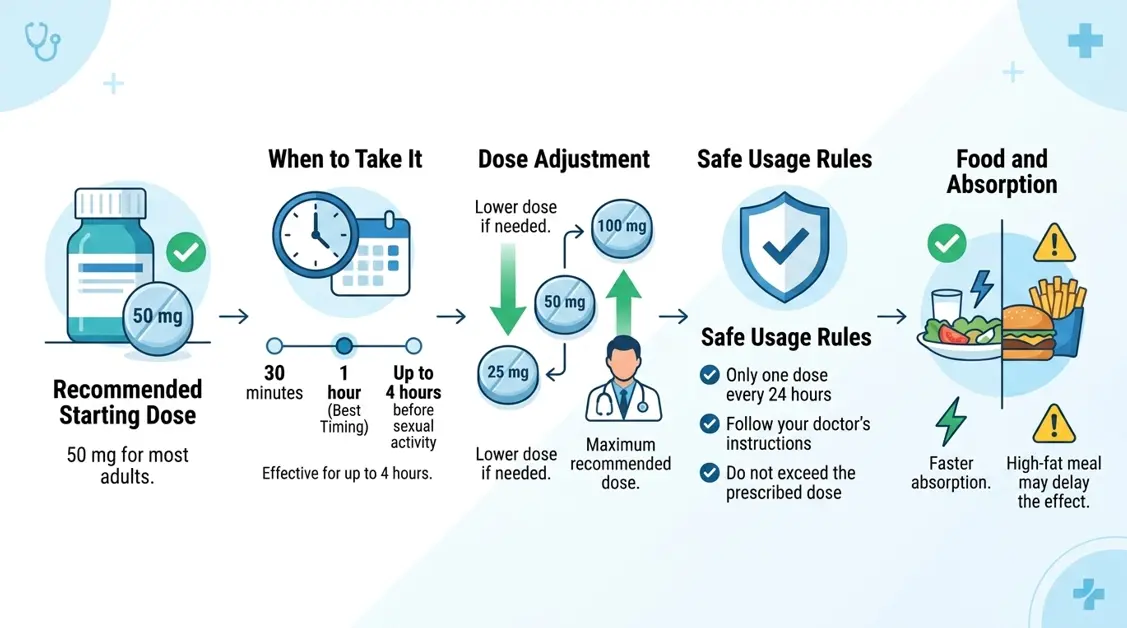
Understanding how to take sildenafil correctly is key to its effectiveness. The standard recommended sildenafil dosage for most patients is 50 mg . This tablet is taken orally, roughly one hour before sexual activity. However, it can be taken anywhere from 30 minutes to 4 hours beforehand, giving you a useful window of opportunity . The medication is absorbed into the bloodstream and can remain effective for up to four hours.
Based on how well it works and how your body tolerates it, your doctor might adjust the dose. You could be advised to take a maximum of 100 mg or reduce it to 25 mg . It is vital to never take more than one dose in a 24-hour period . Taking sildenafil with a heavy, high-fat meal can slow its absorption, meaning it will take longer to start working. For best results, it is often recommended to take it on an empty stomach or with a light meal.
Dosage Adjustments for Specific Groups
Your doctor may recommend a lower starting dose of 25 mg if you fall into certain categories. This includes men over 65 years of age, those with liver impairment like cirrhosis, and individuals with severe kidney disease where creatinine clearance is less than 30 mL/minute . These conditions can affect how your body processes the drug, leading to higher plasma levels and an increased risk of side effects.
Special Considerations for Drug Interactions
Certain medications can significantly increase the concentration of sildenafil in your blood, requiring a dose adjustment. For instance, strong CYP3A4 inhibitors, such as ritonavir, ketoconazole, itraconazole, and erythromycin, can elevate sildenafil levels. If you are taking ritonavir, your doctor will likely limit your sildenafil dose to 25 mg within a 48-hour period . Similarly, a starting dose of 25 mg is recommended when taking other strong CYP3A4 inhibitors or erythromycin due to a potential three-fold increase in plasma levels .
Important Safety Information and Risks
While considering sildenafil uses, it is equally essential to know that sildenafil is a prescription medication with specific risks and contraindications. It is not suitable for everyone, and understanding the safety warnings is crucial.
Absolute Contraindications
The most critical warning regarding sildenafil involves its interaction with nitrates and nitric oxide donors. These medications are commonly prescribed for chest pain (angina) or heart conditions. Sildenafil can drastically potentiate the hypotensive effects of nitrates . Taking them together can cause a sudden, life-threatening drop in blood pressure . This combination is strictly prohibited . You should also not take sildenafil if you are using guanylate cyclase stimulators, such as riociguat, for the same reason .
Safety Warnings for Sildenafil Uses
Although sildenafil uses are well established for treating erectile dysfunction, the medication is not suitable for everyone. Men with certain cardiovascular conditions should not use sildenafil. If sexual activity is inadvisable for you due to your underlying heart health, then sildenafil should not be used. Your doctor will need to conduct a thorough medical evaluation before prescribing it.
A rare but serious side effect is priapism, a prolonged and painful erection lasting more than four hours . This is a medical emergency. If you experience an erection lasting longer than four hours, you must seek immediate medical attention to prevent permanent tissue damage and loss of potency .
Another rare side effect is a sudden decrease or loss of vision in one or both eyes, which could be a sign of non-arteritic anterior ischemic optic neuropathy (NAION) . If this occurs, you should stop taking sildenafil and contact a doctor immediately. Similarly, a sudden decrease or loss of hearing, sometimes accompanied by tinnitus or dizziness, warrants prompt medical attention .
Managing Side Effects and Drug Interactions
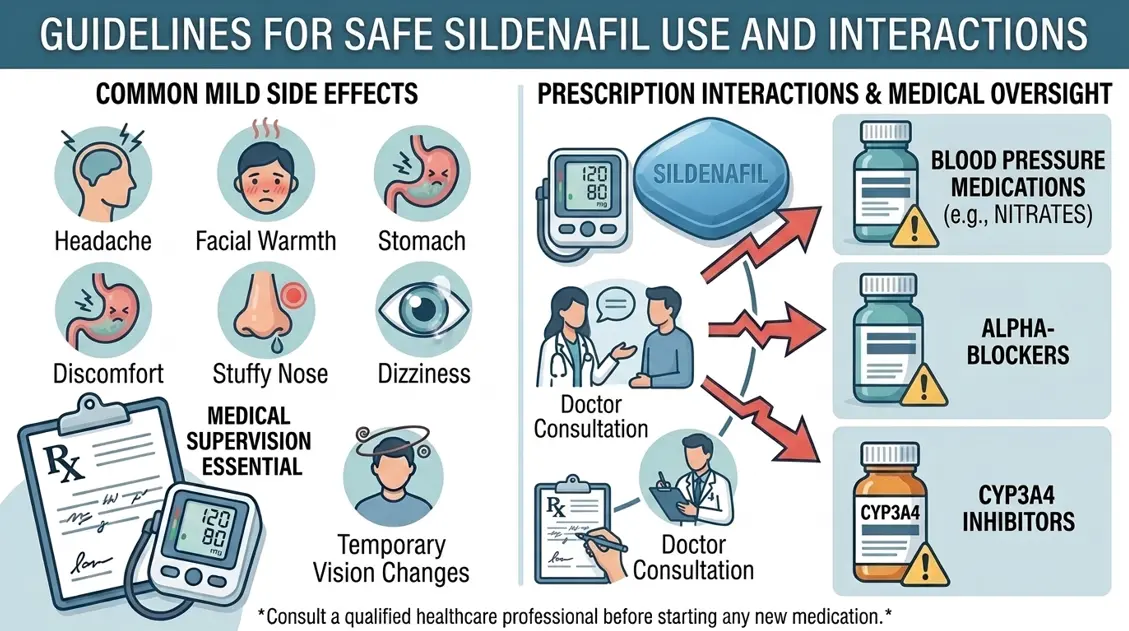
Most men tolerate sildenafil well, but some may experience side effects. The most common sildenafil side effects, occurring in more than 2% of patients, include headache, flushing, indigestion, nasal congestion, dizziness, and changes in color vision (seeing a blue tinge). These are generally mild and transient, often resolving on their own.
Sildenafil can also interact with other medications, particularly alpha-blockers (used for high blood pressure or prostate issues) and certain blood pressure medications . Combining them can lower blood pressure more than desired, leading to symptomatic hypotension like dizziness, lightheadedness, or fainting . If you are taking an alpha-blocker, your doctor will likely recommend a starting dose of 25 mg of sildenafil .
Furthermore, certain medications, especially strong CYP3A4 inhibitors like ritonavir, ketoconazole, and erythromycin, can significantly increase sildenafil levels in your blood. In such cases, a dose adjustment or a lower maximum dose is necessary to avoid increased risk of side effects.
Who Should Consider Sildenafil?
Understanding sildenafil uses can help determine whether this medication is the right option for you. Erectile dysfunction can affect men of any age but is more common as men get older. The causes can be physical, psychological, or a combination of both. Men who are in good cardiovascular health and who are not taking conflicting medications are the prime candidates for sildenafil.
Men over 65, those with severe kidney or liver impairment, may also be advised to start with a lower 25 mg dose due to slower drug clearance from the body. It is also a viable option for men with underlying conditions like diabetes, provided their healthcare provider deems it safe.
Sildenafil Dosage Recommendations Based on Patient Profile
| Patient profile | Recommended starting dosage | Maximum dosage |
| Healthy adult men | 50 mg | 100 mg per 24 hours |
| Men over 65 years | 25 mg | 50 mg per 24 hours |
| Severe kidney disease | 25 mg | 50 mg per 24 hours |
| Liver impairment (cirrhosis) | 25 mg | 50 mg per 24 hours |
| Men with diabetes | 50 mg | 100 mg per 24 hours |
Potential Cardiovascular and Cognitive Benefits
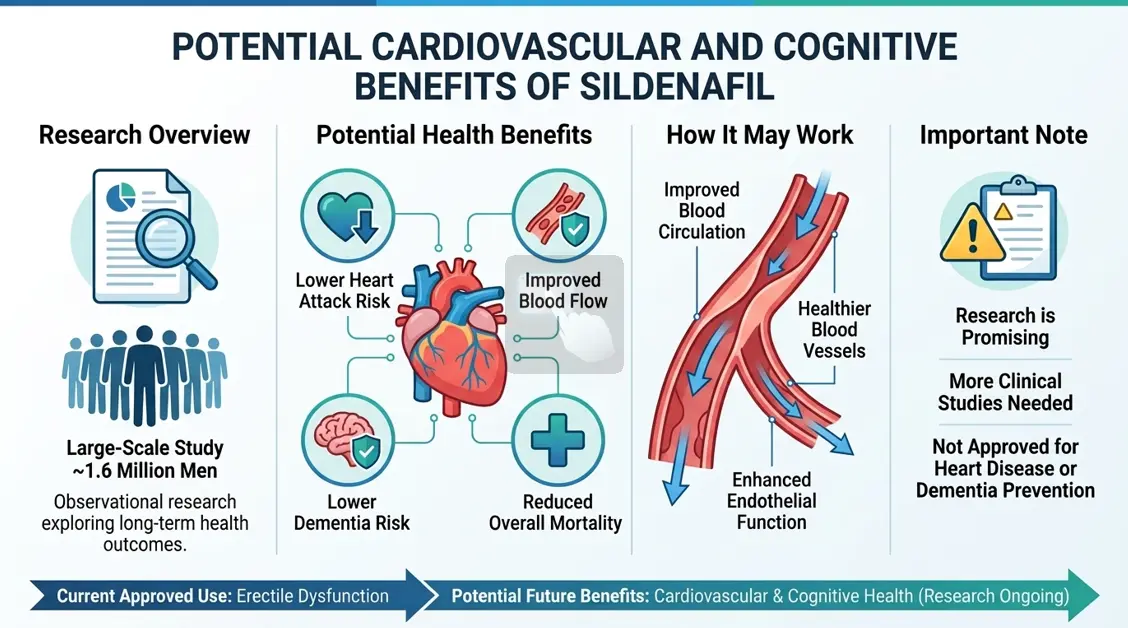
Recent research suggests that sildenafil uses may extend beyond treating erectile dysfunction. A large-scale, longitudinal study analyzing data from nearly 1.6 million men found that sildenafil was associated with significantly reduced risks of all-cause mortality, myocardial infarction (heart attack), stroke, and even dementia. The study showed that men using PDE5 inhibitors like sildenafil had a significantly lower risk of mortality and cardiovascular events.
These findings suggest that the vasodilatory properties of sildenafil might offer cardiovascular benefits that extend beyond the penis. By improving blood flow and endothelial function, it could have a protective effect on the entire vascular system. While these results are highly promising, it is essential to note that more research is needed, and sildenafil is not currently prescribed for these purposes. However, it paints a picture of a drug with potential benefits that reach far beyond sexual health.
Sildenafil Product Differences and Administration
| Features | Sildenafil for ED | Revatio(Sildenafil) for PAH |
| Primary indication | Erectile dysfunction | Pulmonary arterial hypertension |
| Standard dose | 50 mg or 100 mg as needed | 20 mg three times daily |
| Administration timing | Take 1 hour before sexual activity; up to 4 hours | Take at regular intervals regardless of sexual activity |
| Duration of action | Up to 4 hours | Consistent plasma levels throughout day |
| Onset of action | 30-60 minutes | Not applicable for acute effect |
| Food Interaction | High-fat meals delay absorption | Similar food interaction take consistently with or without food |
| Availability | Various strengths (25 mg, 50 mg, 100 mg) | 20 mg tablets |
| Cost | Varies by strength and quantity | Typically lower dose; cost may differ |
Frequently Asked Questions
Can I take sildenafil if I have high blood pressure?
Yes, you can take sildenafil if your high blood pressure is controlled by medication . However, you must exercise caution because sildenafil has vasodilatory properties that lower blood pressure. When combined with other blood pressure-lowering drugs, there is a risk of your blood pressure dropping too low, which could make you feel dizzy or faint . A single dose of sildenafil can lower systolic blood pressure by about 8 mmHg and diastolic by about 5 mmHg in healthy volunteers . Always inform your doctor about all your medications before starting sildenafil.
How long does it take for sildenafil to work?
Sildenafil typically starts working within 30 to 60 minutes after you take it . The effectiveness can be influenced by what you have eaten. Taking sildenafil with a heavy, high-fat meal can delay its absorption, meaning it might take longer to start working. The medication can remain effective in your system for up to four hours .
Can I take sildenafil every day?
The maximum recommended dosing frequency for sildenafil, when used for erectile dysfunction, is once per day . It is not intended for daily use in this context. It is an on-demand medication to be taken before sexual activity.
Is sildenafil safe for men with diabetes?
Yes, sildenafil is considered safe and effective for treating erectile dysfunction in men with diabetes. In fact, studies have included men from various special populations, including those with diabetes, and found the medication to be beneficial . However, it is important to work with your doctor to manage your overall health, as diabetes can be an underlying cause of ED.
Are there any long-term health benefits or other sildenafil uses?
Emerging research suggests that sildenafil may offer benefits beyond treating ED. A large 2024 study found that sildenafil use in men with erectile dysfunction was associated with significantly reduced risks of all-cause mortality, myocardial infarction, stroke, and dementia. Researchers are also exploring additional sildenafil uses, including potential cardiovascular and neuroprotective benefits. Some studies have linked sildenafil use to lower risks of cardiovascular events and overall mortality. However, more research is needed before these potential uses can be confirmed.