

Is Cialis Safe? Who Should and Should Not Take It
Is Cialis safe? For most adult men screened by a physician and prescribed an appropriate dose, the answer is yes — tadalafil has more than two decades of clinical data behind it and is generally well tolerated. But “generally safe” is not the same as “safe for everyone.” There is a specific list of patients for whom Cialis is dangerous or absolutely contraindicated, and another group for whom it requires extra caution. This guide explains who can safely take Cialis, who absolutely cannot, who needs careful screening, and what an honest safety conversation with a physician looks like. The medication itself is well-studied; the safety depends on matching the right patient with the right prescription. If you’re new to tadalafil, it may help to first understand how Cialis works and its approved medical uses before evaluating safety considerations.
What This Guide Covers
- The safety record of Cialis — what 20+ years of data show
- Who absolutely cannot take Cialis (absolute contraindications)
- Who needs extra caution (relative contraindications)
- Drug interactions that matter
- Specific medical conditions and Cialis safety
- Age-related safety considerations
- Lifestyle factors that affect safety
- What proper safety screening looks like
- Warning signs to watch for after starting
- Frequently asked questions
| Patients with a valid prescription can check original Cialis 20mg availability in Pakistan through NobleDose’s pharmacist verification process. |
The Safety Record of Cialis: What 20+ Years of Data Show
Tadalafil was first approved by the U.S. FDA in November 2003 and has been on the market for more than 20 years. During that time, millions of men have used it, and post-market surveillance has tracked safety outcomes across that entire population. The accumulated data is significant.
The overall safety profile is favorable. Most men experience either no side effects or mild, self-limiting effects that resolve on their own. Serious adverse events are uncommon. Long-term studies on patients taking daily 5mg tadalafil for BPH have followed users for years without identifying significant cumulative harm. The medication does not appear to cause organ damage, cancer, or long-term health decline when used appropriately.
This favorable record comes with important conditions. “Used appropriately” means used by patients who have been properly screened, at doses prescribed by a physician, in combination with medications that do not produce dangerous interactions. The safety record applies to the population of patients who have followed this path. It does not extend to men who self-diagnose, source the medication from unverified sellers, or combine it with contraindicated drugs.
The honest summary: Cialis is one of the most studied and longest-used medications in its category, with a favorable safety profile when prescribed and used correctly. The risks are real and concentrated in specific patient groups.
Who Absolutely Cannot Take Cialis
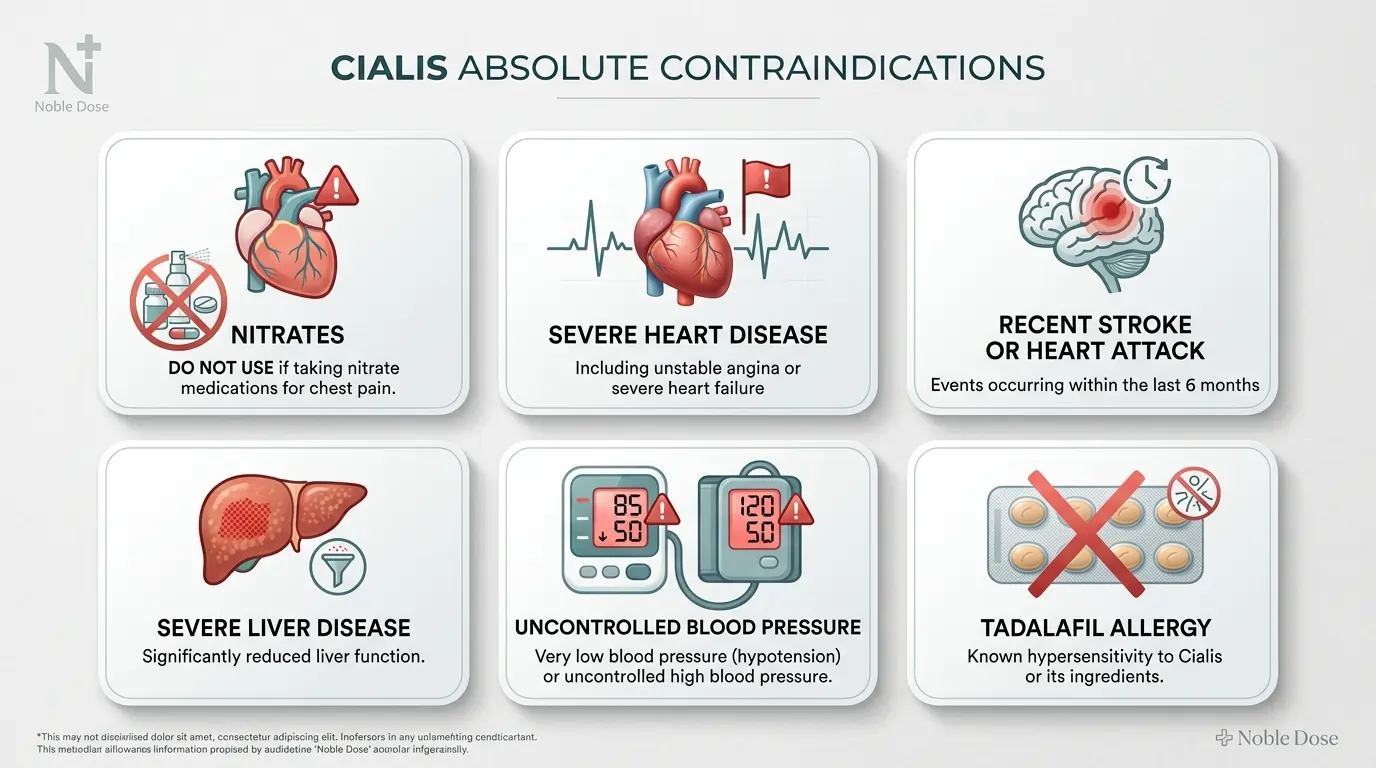
Absolute contraindications are medical conditions or medications for which Cialis must never be used. These are not flexible. There is no dose adjustment or special precaution that makes the medication safe for these patients. A different approach to ED treatment is required.
1. Men Taking Nitrate Medications
This is the most critical contraindication and the one patients most often underestimate. Nitrate medications relax blood vessels by a mechanism that combines dangerously with tadalafil’s vascular effects. The combination can cause severe and life-threatening drops in blood pressure.
Nitrate medications include nitroglycerin (used for angina), isosorbide mononitrate, isosorbide dinitrate, and similar drugs. They are prescribed for various heart conditions and may be taken regularly or kept for emergency use. Some patients take a nitroglycerin spray or tablet for chest pain on rare occasions but do not think of it as a “regular” medication. The contraindication still applies — Cialis should never be taken by anyone who uses nitrates in any form, on any schedule.
This contraindication also extends to recreational substances called “poppers” (amyl nitrite, butyl nitrite, isobutyl nitrite). These are not prescribed medications but they work by the same vascular mechanism and the same dangerous interaction applies. Men who use these substances should not take Cialis.
2. Men with Severe Heart Disease
Several specific cardiac conditions are absolute contraindications for tadalafil. These include heart attack within the past 90 days, unstable angina, severe heart failure (NYHA Class IV), severe arrhythmias, and any cardiac condition for which sexual activity itself is considered too risky. The medication is contraindicated not because it directly damages the heart, but because the combination of medication effects, sexual activity, and unstable cardiac status creates compounding risk.
Patients with stable, well-managed heart disease are often candidates for Cialis after proper cardiology consultation. The line between “safe with caution” and “not safe at all” depends on individual cardiovascular evaluation.
3. Men Who Have Had Recent Stroke
A stroke within the past six months is an absolute contraindication. The brain’s blood vessel system is in a recovery phase during this period, and additional vascular medication is not appropriate. After six months, a neurology consultation may clear the patient for cautious use of tadalafil, depending on the type and severity of the stroke and the overall recovery.
4. Men with Severe Liver Disease
Severe liver impairment (Child-Pugh Class C) means the body cannot process tadalafil normally. The medication accumulates to levels that are unpredictable, increasing both effects and side effects of cialis to dangerous levels. Severe liver disease is therefore an absolute contraindication.
Mild to moderate liver impairment is not an absolute contraindication, but does require dose reduction and careful monitoring. The line between “adjusted dose” and “no medication at all” depends on the severity of liver function loss.
5. Men with Severely Low or Very High Blood Pressure
Tadalafil produces a mild blood pressure reduction even in healthy users. For patients with very low blood pressure to begin with (systolic less than 90 mmHg), this can drop pressure to dangerous levels. Conversely, patients with severely uncontrolled hypertension (above 170/100) face higher cardiovascular risk during sexual activity, making the combination unsafe.
Stable, well-controlled blood pressure — within normal range on prescribed medication — is not a contraindication. The issue is uncontrolled extremes.
6. Allergy to Tadalafil
Known severe allergic reaction to tadalafil or any of its inactive ingredients is an absolute contraindication. This is rare but real. Patients who have experienced severe reaction — facial swelling, breathing difficulty, severe rash — to a previous dose must not take the medication again. Some patients with allergies to similar drug classes may also need to avoid tadalafil.
Who Needs Extra Caution: Relative Contraindications
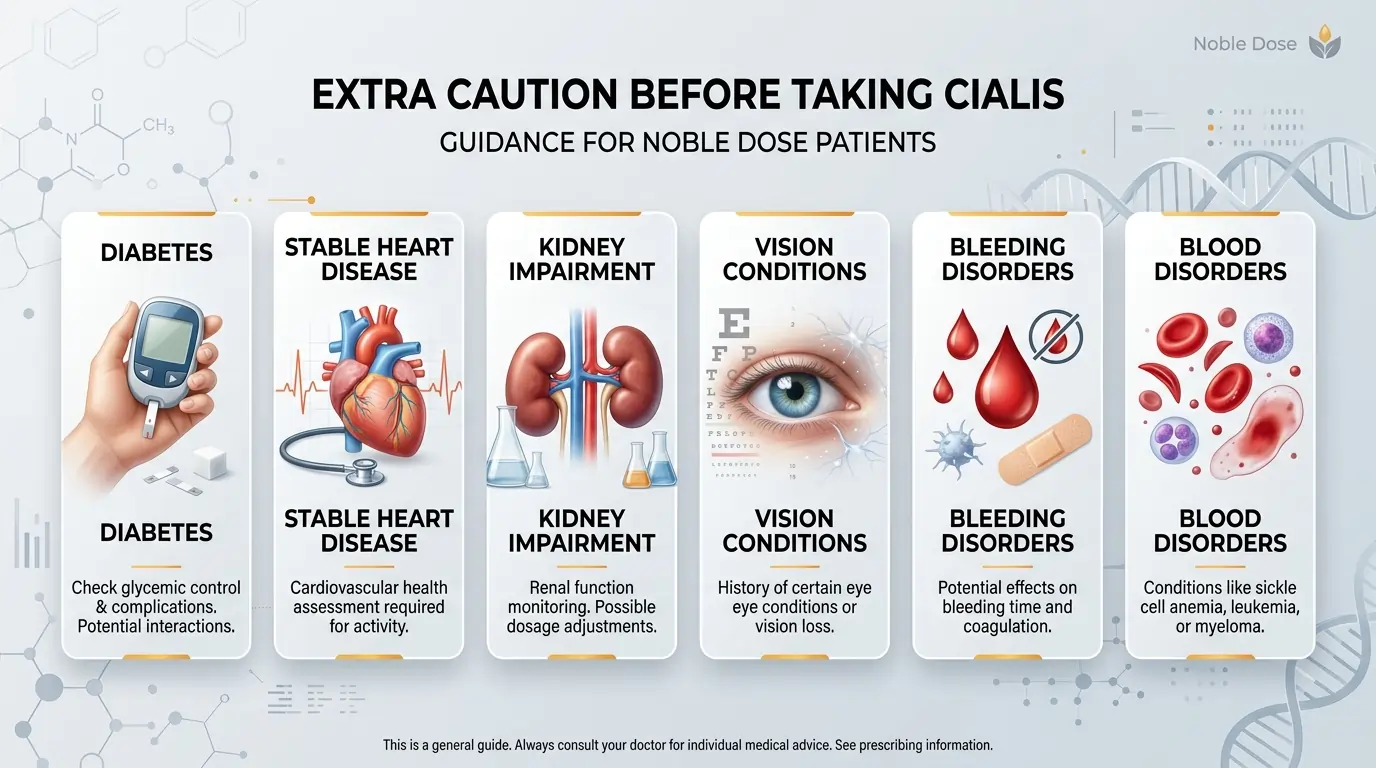
Relative contraindications are conditions where Cialis is not automatically forbidden, but requires extra evaluation, dose adjustment, or careful monitoring. The decision to prescribe depends on weighing the benefits against the specific patient risk profile. This is the area where good clinical judgment matters most.
Mild to Moderate Heart Disease
Patients with stable, well-managed heart conditions can often take Cialis safely, but the decision requires cardiology input. The physician will assess exercise tolerance, current medications, and cardiac risk factors. Patients who can comfortably climb two flights of stairs without symptoms generally have adequate cardiac reserve for both the medication and sexual activity. Those with limited exercise tolerance need more careful evaluation.
Diabetes
Diabetes is not a contraindication for Cialis — in fact, diabetes is one of the most common causes of ED, and tadalafil is frequently prescribed to diabetic men. However, diabetes often comes with related conditions (hypertension, cardiovascular disease, kidney impairment, neuropathy) that influence the safety calculation. A diabetic patient with otherwise good control and stable cardiovascular status is usually a good candidate. A diabetic patient with multiple complications needs more careful evaluation.
Vision Conditions
Patients with certain pre-existing vision conditions need extra caution. Non-arteritic anterior ischemic optic neuropathy (NAION) is a rare condition that has been reported in PDE5 inhibitor users. Men with a history of NAION should typically avoid tadalafil. Men with retinitis pigmentosa, severe macular degeneration, or other significant retinal disease may also need to avoid the medication. An ophthalmologist’s input is valuable when these conditions are present.
Kidney Impairment
Mild kidney impairment is usually managed with dose adjustment — typically starting at a lower dose. Severe kidney impairment is closer to a contraindication, particularly for daily dosing. The decision depends on the specific level of kidney function, measured by creatinine clearance or eGFR.
Bleeding Disorders or Active Peptic Ulcer
Tadalafil has not been specifically associated with significant bleeding, but the FDA prescribing information includes a caution for patients with bleeding disorders or active peptic ulcer disease. This is a precaution rather than a strict contraindication — the physician will weigh the specific situation.
Sickle Cell Disease, Leukemia, Multiple Myeloma
These conditions increase the risk of priapism (prolonged erection), which is a serious complication of PDE5 inhibitor use. Tadalafil is not strictly forbidden in these patients, but the risk-benefit conversation is more careful. Hematology input may be valuable.
Drug Interactions That Matter
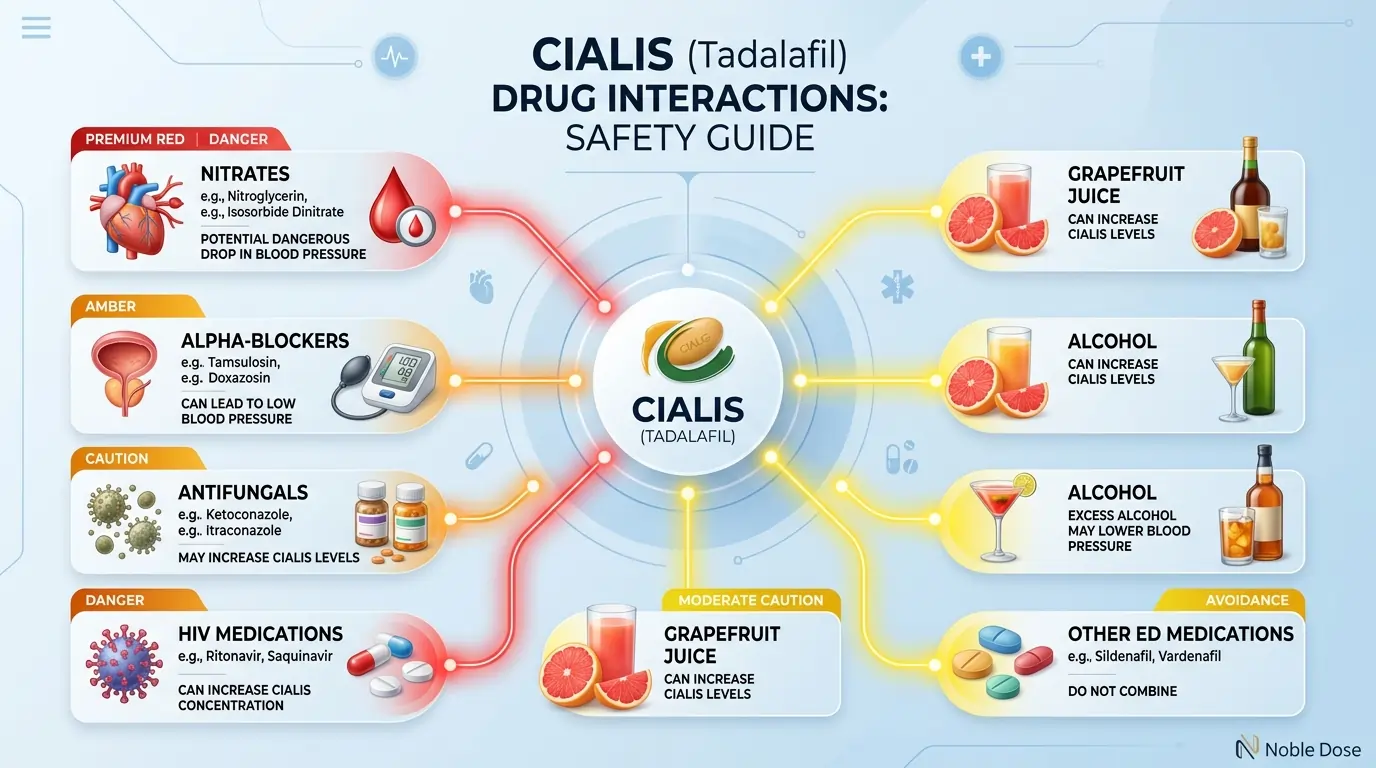
Tadalafil interacts with several other medications. Some interactions are dangerous, some require dose adjustment, and some are clinically minor. A complete medication list — including supplements and herbal products — is essential for safe prescribing.
| Medication / Substance | Type of Interaction | Action Required |
| Nitrates (any form) | Absolute contraindication | Never combine |
| Alpha-blockers (e.g., doxazosin) | Blood pressure drop | Dose adjustment, monitor |
| HIV protease inhibitors | Increased tadalafil levels | Lower dose, max 10mg |
| Strong CYP3A4 inhibitors (ketoconazole, itraconazole) | Increased tadalafil levels | Lower dose, max 10mg |
| Moderate CYP3A4 inhibitors (erythromycin) | Increased tadalafil levels | Lower dose |
| CYP3A4 inducers (rifampin) | Decreased tadalafil levels | Higher dose may be needed |
| Other ED medications (sildenafil, vardenafil) | Additive effects | Never combine |
| Grapefruit juice | Increased tadalafil levels | Avoid on dosing day |
| Heavy alcohol | Blood pressure drop, sedation | Avoid heavy consumption |
The Alpha-Blocker Conversation
Alpha-blockers deserve special mention because they are commonly prescribed for both blood pressure and BPH — the same conditions for which Cialis is often considered. The combination is not forbidden, but it requires careful management. Both drugs lower blood pressure, and the combined effect can cause dizziness, fainting, or significant hypotension.
When prescribing tadalafil for a patient already on an alpha-blocker, physicians typically start at the lowest dose (2.5mg or 5mg) to assess tolerance. Patients on doxazosin, terazosin, or similar drugs should never start tadalafil without telling the prescribing physician about the alpha-blocker.
Herbal Products and Supplements
Patients sometimes don’t think of herbal products as “medications” worth mentioning, but several common supplements interact with tadalafil. St. John’s Wort reduces tadalafil levels by inducing liver enzymes. Yohimbine, sometimes sold as a natural ED remedy, can interact unpredictably. “Herbal Viagra” products are notoriously contaminated with unlabeled doses of actual PDE5 inhibitors — combining these with prescribed Cialis is dangerous.
The rule is simple: tell your prescribing physician about everything you take, including products bought without prescription. The doctor needs the full picture.
Specific Medical Conditions and Cialis Safety
Several common medical conditions deserve specific discussion. Patients often want to know whether their particular health status makes Cialis safe or unsafe.
Hypertension
Well-controlled hypertension is not a contraindication for Cialis. The medication causes a small additional blood pressure decrease, but in patients whose pressure is already at target on medication, the additional drop is well-tolerated. Uncontrolled hypertension is a different situation — bringing blood pressure under control comes first, then ED treatment is considered.
Coronary Artery Disease
Stable coronary artery disease with good exercise tolerance is generally compatible with Cialis use, provided the patient is not taking nitrates. Recent cardiac events, ongoing symptoms, or severely limited exercise tolerance change the picture significantly. A cardiology consultation is appropriate when coronary disease is present.
Heart Failure
Mild heart failure (NYHA Class I or II) is usually compatible with Cialis, particularly the lower doses used daily. Moderate heart failure (Class III) requires careful evaluation. Severe heart failure (Class IV) is an absolute contraindication.
Type 2 Diabetes
Diabetes is one of the most common conditions among Cialis patients. The medication does not adversely interact with diabetes medications and does not affect blood sugar. The main consideration is screening for related complications — cardiovascular disease, kidney impairment, neuropathy — that may influence the safety decision.
Prostate Cancer (Treated)
Cialis is not contraindicated in patients with a history of prostate cancer. In fact, ED is a common consequence of prostate cancer treatment (surgery or radiation), and tadalafil is sometimes prescribed specifically to support post-treatment recovery. The prescribing decision depends on the patient’s current status and the treating urologist’s recommendation.
Sleep Apnea
Sleep apnea by itself is not a contraindication, but it often coexists with cardiovascular disease and hypertension that are. Patients with sleep apnea should ensure their condition is being treated and that any cardiac complications are evaluated before starting Cialis.
Mental Health Conditions
Depression, anxiety, and other mental health conditions are not contraindications for Cialis. ED itself contributes to depression for many men, and effective treatment often improves mood. Medication interactions are minimal — most antidepressants and anti-anxiety medications do not interact significantly with tadalafil.
Age-Related Safety Considerations
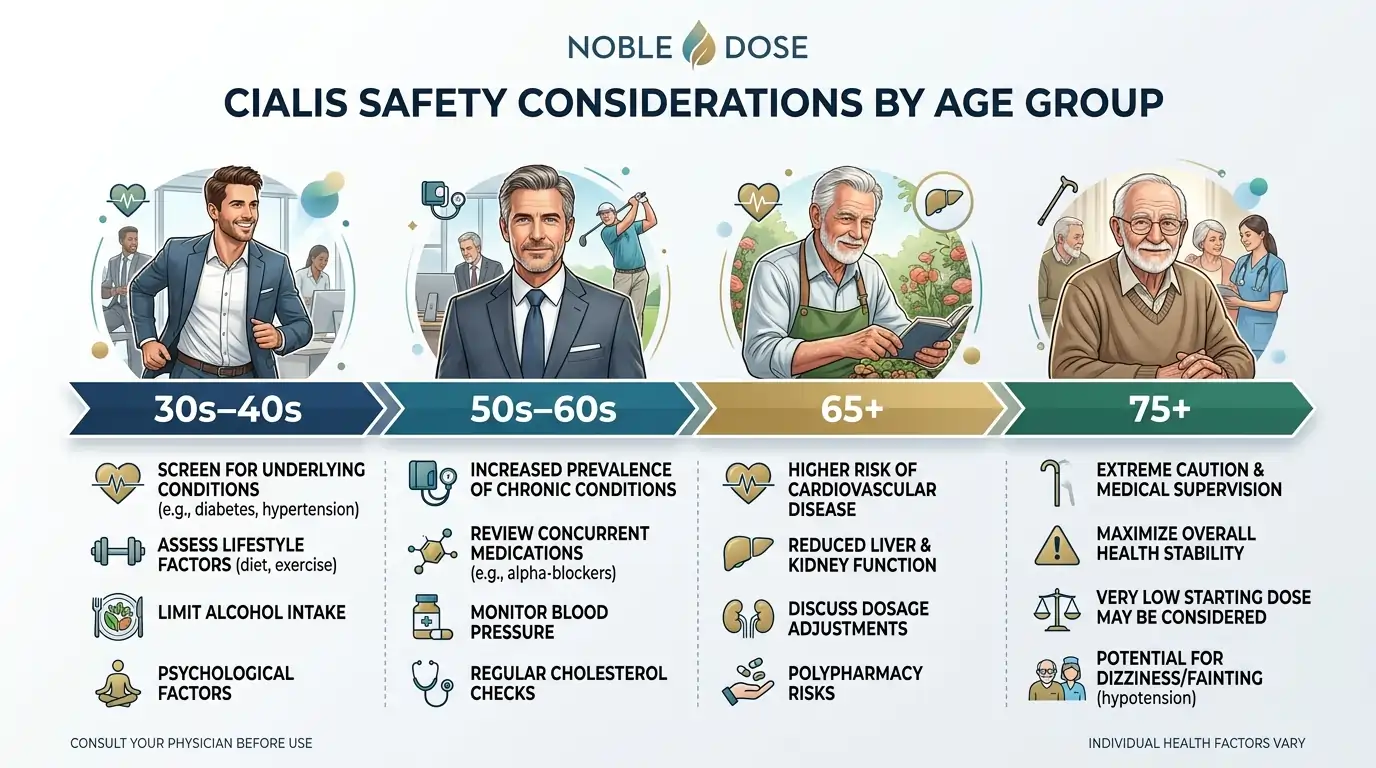
Cialis is approved for adult men of any age above 18, but age affects the safety calculation in practice. Each decade has its own considerations.
Men in Their 30s and 40s
Younger men with ED are increasingly common, and the most important step is identifying the underlying cause. ED at younger ages is often associated with vascular risk factors that deserve their own investigation — high cholesterol, prediabetes, early hypertension. The medication itself is generally safe at younger ages, but the medical workup matters.
Men in Their 50s and 60s
This is the age range where Cialis is most commonly prescribed and where most clinical evidence is concentrated. The medication is well-tolerated in this group. The main considerations are screening for cardiovascular risk and reviewing other medications for interactions. Most men in this range are excellent candidates with proper evaluation.
Men Over 65
Tadalafil clearance slows somewhat with age, which means the medication stays at higher levels for longer. Physicians often start older patients at lower doses (5mg or 10mg) rather than 20mg. The clinical safety profile remains favorable, but more careful screening for cardiovascular conditions, kidney function, and concurrent medications is appropriate.
Men Over 75
Cialis can be safely used in healthy men over 75, but the population in this age range is more likely to have conditions that influence the safety calculation. Careful evaluation is the standard approach. Daily 2.5mg or 5mg may be preferred over on-demand 20mg in this age group.
Lifestyle Factors That Affect Safety
Some lifestyle factors influence how safely Cialis can be used, independent of medical conditions. These are within the patient’s control and worth understanding.
Alcohol Consumption
Moderate alcohol (one or two standard drinks) is compatible with Cialis. Heavy alcohol use is a different matter — it amplifies the blood pressure effects, increases dizziness, and independently reduces sexual function. Patients with a heavy drinking pattern should discuss this honestly with the prescribing physician, both because of the safety issue and because alcohol may be the actual cause of their ED.
Recreational Drug Use
Recreational drugs, particularly those that affect blood pressure or vascular function, can interact dangerously with tadalafil. Poppers (amyl nitrite) are absolute contraindications, as discussed. Cocaine, methamphetamine, and similar stimulants can produce dangerous cardiovascular effects combined with tadalafil. MDMA and similar substances have unpredictable interactions. Honest disclosure to the prescribing physician matters, even for substances the patient does not use frequently.
Sedentary Lifestyle and Poor Cardiovascular Fitness
Cialis safety partly depends on the cardiovascular reserve to handle sexual activity. Men with sedentary lifestyles and limited fitness may not have the reserve to safely engage in vigorous sexual activity, even with medication support. This is one reason physicians evaluate exercise tolerance during ED workups. Lifestyle changes — exercise, dietary improvement, weight management — improve both safety and response to medication.
Smoking
Smoking is a major cardiovascular risk factor and a common contributor to ED. It does not directly contraindicate Cialis, but it raises the cardiovascular risk profile and makes safety evaluation more important. Smoking cessation is one of the best lifestyle changes a man with ED can make — for both his sexual health and his overall health.
What Proper Safety Screening Looks Like
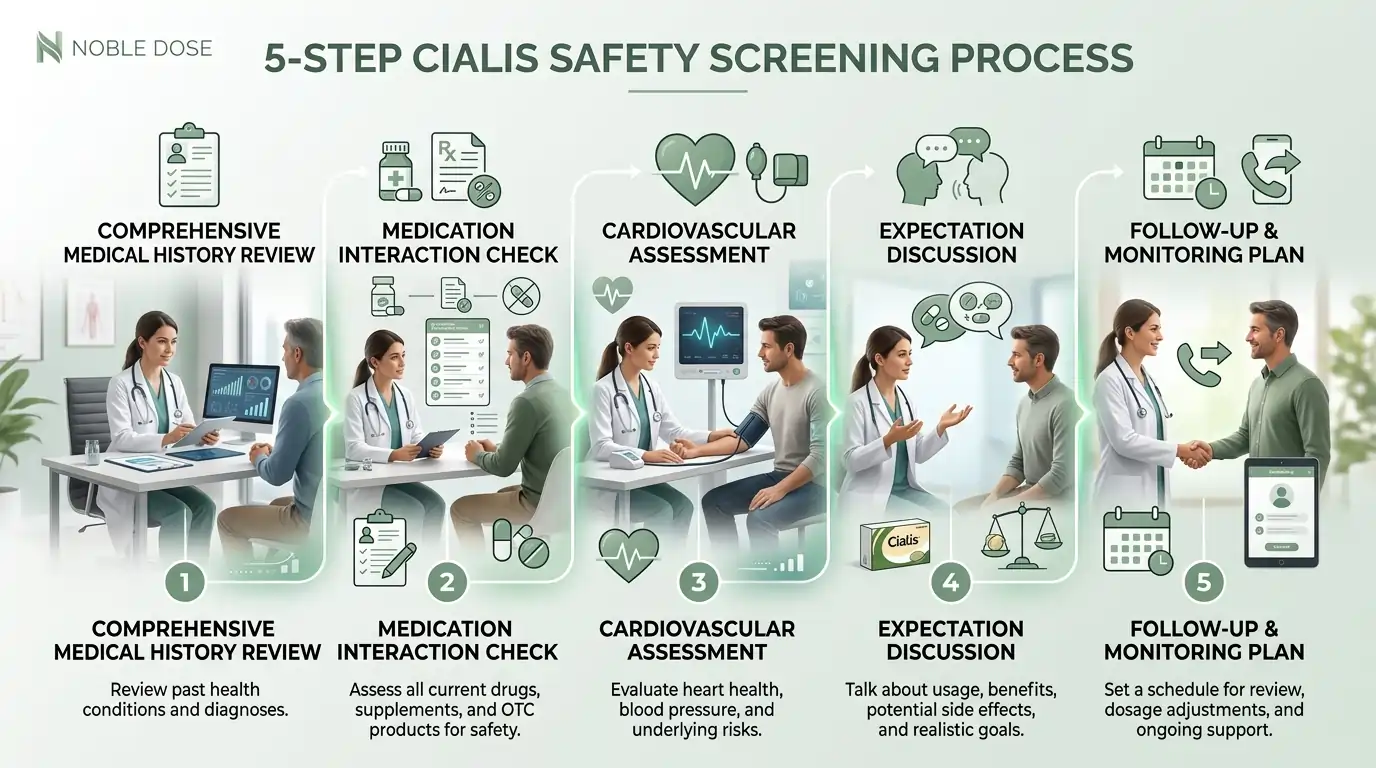
When a physician prescribes Cialis appropriately, certain screening steps happen — even if briefly. Understanding what good screening looks like helps patients recognize when their care is appropriate and when it falls short.
Medical History Review
The physician should ask about heart disease, diabetes, blood pressure, liver and kidney function, prior strokes, vision conditions, allergies, and family history of cardiovascular disease. A complete history is the foundation of appropriate prescribing.
Complete Medication List
The physician should explicitly ask about all prescription medications, all over-the-counter products, all herbal supplements, and any recreational substance use. This is where most interaction issues are caught.
Cardiovascular Risk Assessment
At minimum, this means checking blood pressure and asking about exercise tolerance and any chest symptoms. For older patients or those with cardiovascular history, more formal assessment may be appropriate. Patients with significant cardiovascular risk may need stress testing before being cleared for ED treatment.
Discussion of Realistic Expectations
Proper consultation includes discussion of how the medication works, what to expect, and what to do if it doesn’t work or causes side effects. Patients who leave with this information have better outcomes than those who just leave with a prescription.
Follow-up Plan
Most physicians plan a follow-up visit after the first few uses of Cialis to assess response, side effects, and any need for adjustment. Quality care includes this follow-up step.
Warning Signs to Watch For After Starting
Even with proper screening, some safety issues can only emerge after the patient starts the medication. Knowing what to watch for protects against rare but serious complications.
| 🚨 Seek Immediate Medical Care If You Experience:
• Chest pain, irregular heartbeat, or feeling that your heart is racing dangerously • Sudden loss or significant decrease of vision in one or both eyes • Sudden loss or decrease of hearing, possibly with ringing or dizziness • An erection lasting longer than 4 hours (priapism — urological emergency) • Severe allergic reaction: swelling of face, lips, tongue, throat, or difficulty breathing • Severe skin reaction: widespread blistering, peeling, or rash • Severe dizziness or fainting after taking the medication |
Less Urgent But Worth Discussing
Some symptoms are not emergencies but should prompt a call to the prescribing physician within a day or two: persistent severe headache, prolonged or worsening flushing or indigestion, persistent low energy or unusual fatigue after taking the medication, any unusual sensation that concerns the patient. These do not require an emergency room visit but do deserve professional evaluation.
Tracking Your Response
For the first month of using Cialis, keep a simple log: dose taken, time, any side effects, and the response. This information is invaluable for the follow-up visit and helps the physician fine-tune the dose if needed.
Frequently Asked Questions
Is Cialis safe for healthy young men?
For an otherwise healthy young man with no contraindications, yes — but “healthy young man with ED” deserves a workup to identify why ED is occurring at that age. The medication itself is generally safe, but the underlying cause may need attention. Use of Cialis purely for enhancement, without medical indication, is not what the medication is prescribed for.
Is daily Cialis 5mg safer than on-demand 20mg?
They are differently safe rather than one being clearly safer than the other. Daily 5mg produces lower peaks in blood level, which means fewer acute side effects. But it also means continuous drug exposure, which is a different safety consideration. Both approaches have favorable long-term safety records when used appropriately. The choice depends on the individual patient situation.
Can I take Cialis if I have only mild heart problems?
Often yes, but only after cardiology input. “Mild” is a flexible term in cardiology and the specific condition matters. A patient with controlled hypertension and no symptoms is different from a patient with mild angina or a remote heart attack. Get the cardiologist’s evaluation before adding ED medication to the picture.
Is Cialis safe to take long-term?
Long-term safety data for tadalafil is favorable. Daily 5mg has been studied for years of continuous use without identifying significant cumulative harm. Patients on long-term Cialis should have routine medical follow-up — blood pressure checks, cardiovascular assessment as appropriate — but the medication itself has no known long-term hazards in properly selected patients.
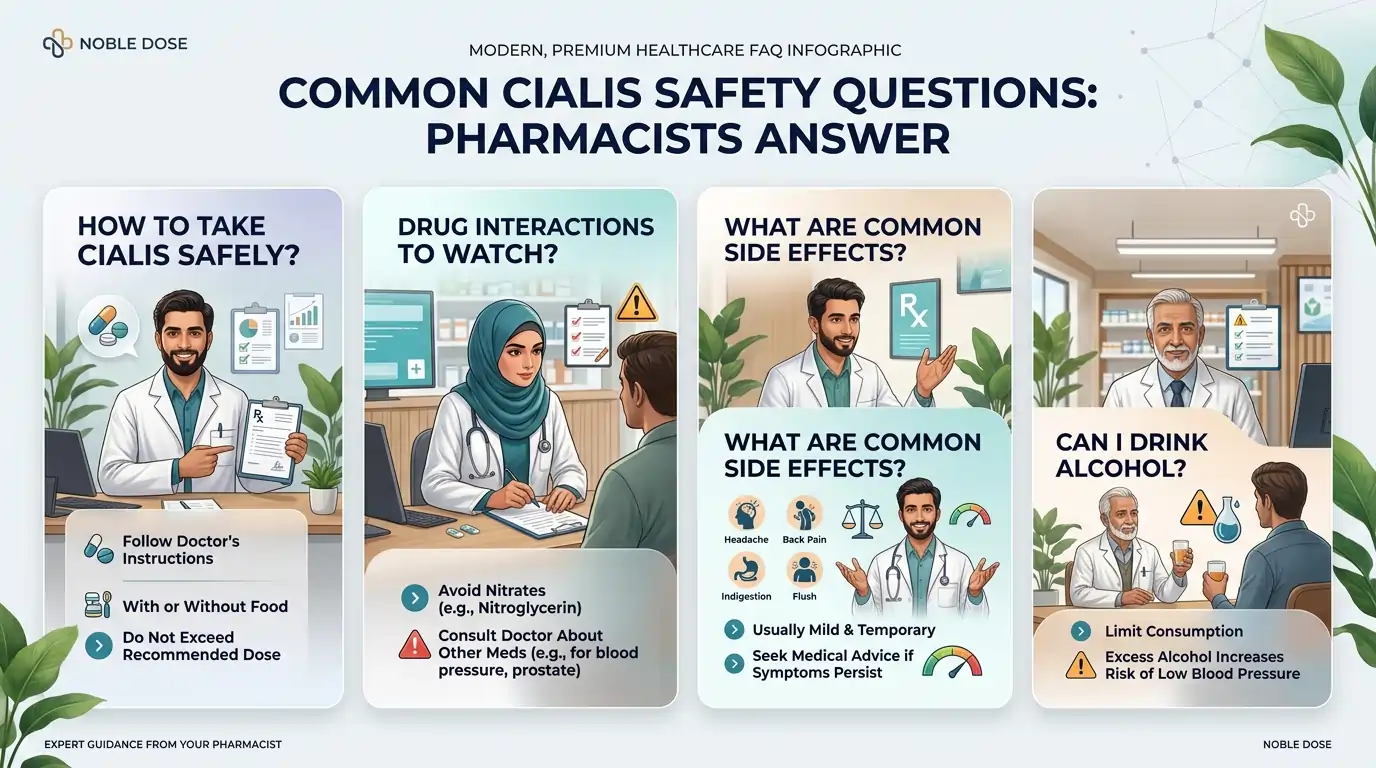
Can I drink alcohol while taking Cialis?
Moderate alcohol is generally fine. Heavy alcohol is not safe, both because of blood pressure effects and because heavy drinking independently impairs erectile function. “Moderate” means one or two standard drinks; “heavy” means three or more, particularly in a single session.
Are generic versions as safe as brand Cialis?
Yes, when sourced from DRAP-approved manufacturers and verified pharmacies. Generic tadalafil contains the same active ingredient at the same strength, and is required by regulators to demonstrate equivalent safety and effectiveness. The risk is not in legitimate generics — it is in counterfeit products from unverified sources, which may contain incorrect doses or harmful contaminants.
What should I tell my physician before being prescribed Cialis?
Tell the physician about all medical conditions, all medications (prescription, over-the-counter, supplements, herbal products), any history of heart problems or stroke, any vision or hearing conditions, any history of severe allergic reactions, and your alcohol and recreational substance use patterns. Complete disclosure is the foundation of safe prescribing.
Can I take Cialis after a recent surgery?
It depends on the surgery and the recovery stage. Major surgery — particularly cardiovascular surgery — requires clearance from the operating physician before adding any new medication. Minor surgery typically does not require special consideration. The patient should not assume — ask the physician.
Is it safe to combine Cialis with vitamins and supplements?
Most standard vitamins do not interact significantly with tadalafil. The concern is with herbal products and supplements specifically marketed for sexual function — these often contain undeclared active ingredients including unlabeled PDE5 inhibitors. The combination with prescribed tadalafil can produce dangerous overdose. Stick to vitamins from reputable manufacturers and avoid “natural” male enhancement products entirely.
Key Takeaways
Cialis safety depends on matching the right patient with the right prescription. The most important points:
- Tadalafil has more than 20 years of clinical data and a favorable safety profile when used appropriately
- Absolute contraindications include nitrate medications, severe heart disease, recent stroke, severe liver disease, severely abnormal blood pressure, and allergy to the medication
- Relative contraindications require extra evaluation but do not automatically rule out the medication
- Alpha-blockers, antifungals, HIV protease inhibitors, and grapefruit interact with tadalafil and require dose adjustment or avoidance
- Most common medical conditions (controlled diabetes, controlled hypertension, stable cardiovascular disease) are compatible with Cialis after proper screening
- Proper safety screening includes medical history, complete medication list, cardiovascular assessment, and follow-up plan
- Warning signs after starting include vision changes, hearing changes, chest symptoms, prolonged erection, and severe allergic reactions — these require immediate medical attention
- Source the medication only from a DRAP-licensed pharmacy that verifies prescriptions
Continue Learning
This guide is part of a series of educational articles on tadalafil. For deeper information on related topics:
- Cialis Tablet Uses, Benefits & How It Works — Complete Medical Guide
- Cialis Tablet Uses in Urdu — مکمل گائیڈ
- Cialis 20mg Side Effects: Complete Guide and How to Avoid Them
- How to Use Cialis Tablets: Dosage, Timing, and Practical Tips
- Cialis 20mg vs 5mg vs 10mg: Which Dose is Right for You?
- Cialis vs Viagra: Detailed Comparison for Pakistani Men
| Medical Disclaimer
This article is published for educational purposes by NobleDose and has been reviewed by a licensed Pakistani Pharm-D pharmacist. Safety information is drawn from FDA prescribing information, EMA documentation, American Urological Association guidelines, and published clinical research. This guide is informational only and does not replace medical consultation. The safety of Cialis for any specific patient depends on individual evaluation by a qualified physician with access to the patient’s complete medical history. |
References
- U.S. Food and Drug Administration. Cialis (tadalafil) prescribing information — warnings, contraindications, and drug interactions.
- European Medicines Agency. Cialis EPAR — safety data and post-market surveillance.
- American Urological Association. Guideline on the management of erectile dysfunction — safety screening.
- American College of Cardiology. Sexual activity and cardiovascular disease consensus statement.
- Mayo Clinic. Tadalafil (oral route) — precautions and contraindications.
- Drug Regulatory Authority of Pakistan. Registered products database and pharmacovigilance.
- National Institutes of Health (NIH) MedlinePlus. Tadalafil drug information.